ASICS GT 2000 14: A Modern Stability Shoe with Classic Reliability
For years, ASICS has been a go-to brand for runners seeking dependable stability footwear, and the GT 2000 series has long been at the center of that reputation. The fourteenth edition continues to balance cushioning, stability, and durability in a way that appeals to everyday runners. While it introduces updates in foam and outsole structure, it remains true to its mission of being a workhorse shoe for those who need guidance against overpronation without excessive weight or cost.
This review dives into its performance, construction, and key strengths and weaknesses, offering a complete picture of what runners can expect.
Cushioning and Underfoot Feel
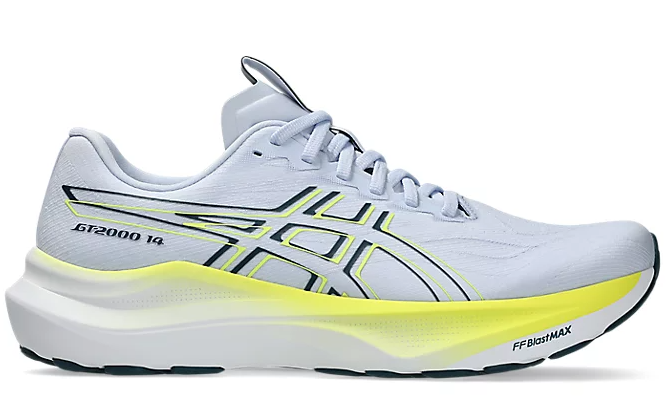
The biggest change comes with the introduction of FF Blast Max foam, replacing the older FF Blast+ material. This tweak results in a smoother and more protective landing while keeping the shoe grounded in stability. The heel cushioning feels forgiving yet controlled, giving confidence to heel strikers.
Runners used to complain about the flat, uninspired feel of the older GT 2000s, but this new foam injects enough bounce to make longer runs more enjoyable. It’s not a shoe for chasing fast personal bests, but for steady pacing and everyday training, the cushioning does its job.
Energy Return: Enough, But Not Explosive
One of the criticisms of the GT 2000 13 was its lackluster responsiveness. The updated foam doesn’t suddenly turn the shoe into a high-energy racer, but it does elevate the ride. The energy return sits at an average level—enough to avoid sluggishness, yet not dramatic enough to rival more performance-oriented trainers.
In practice, this means the shoe supports comfort and stability over speed, making it a smart option for runners who prioritize consistency rather than liveliness underfoot.
Stack Heights and Heel-to-Toe Drop
The GT 2000 14 maintains a moderate stack height that provides sufficient cushioning without tipping into maximalist territory. The heel sits just under 37 mm, while the forefoot measures around 28 mm, creating a drop of roughly 8.7 mm.
This drop feels natural for most running styles. Heel strikers find enough foam to protect joints, while midfoot strikers can rely on consistent transitions. The balance between stack and stability makes it versatile for various training runs.
Midsole Firmness and Rocker Geometry
While the foam is softer than previous iterations, ASICS has wisely avoided making it too plush. Stability shoes require structure, and the midsole walks the line between comfort and control. It’s soft enough to prevent harsh landings but firm enough to prevent wobbling.
The rocker shape is subtle, promoting smooth roll-throughs without being aggressive. For many runners, this translates into a ride that feels natural and predictable—hallmarks of a dependable daily trainer.
PureGEL: A Feature That Adds Little
ASICS continues to include PureGEL technology in the heel, a feature meant to enhance shock absorption. While it slightly softens impact, it doesn’t feel revolutionary. The added weight isn’t fully justified by the performance gains, and many runners could live without it.
The takeaway: PureGEL isn’t a deal-breaker, but it also isn’t a reason to buy this shoe.
Fit and Toebox Dimensions
One of the more polarizing aspects of the GT 2000 14 is its fit. The shoe runs slightly narrow, with both width and height in the toebox falling below average. Runners with wider feet or those who prefer room for toe splay may feel constrained.
Fortunately, ASICS offers wide versions, though availability differs by market. For those with narrow or medium feet, the fit provides a secure lockdown that helps stability, but for broader feet, it may feel restrictive.
Upper Design and Breathability
The upper is built from a dense engineered mesh that emphasizes support over airflow. While the padding is thoughtfully placed for comfort, the shoe ranks poorly in ventilation.
During hot-weather runs, the limited breathability becomes noticeable. However, in cooler climates, this insulation can feel pleasant. The mesh itself is durable, resisting wear, though some runners may miss the light, airy feel of more breathable uppers.
Weight: Reasonable for Its Category
At around 269 grams (9.5 oz) for men’s sizing, the GT 2000 14 sits comfortably within the expected range for stability trainers. It’s not feather-light, but it doesn’t feel bulky either. The balance of structure and cushioning makes the slight weight gain over the previous version hardly noticeable.
Outsole Performance
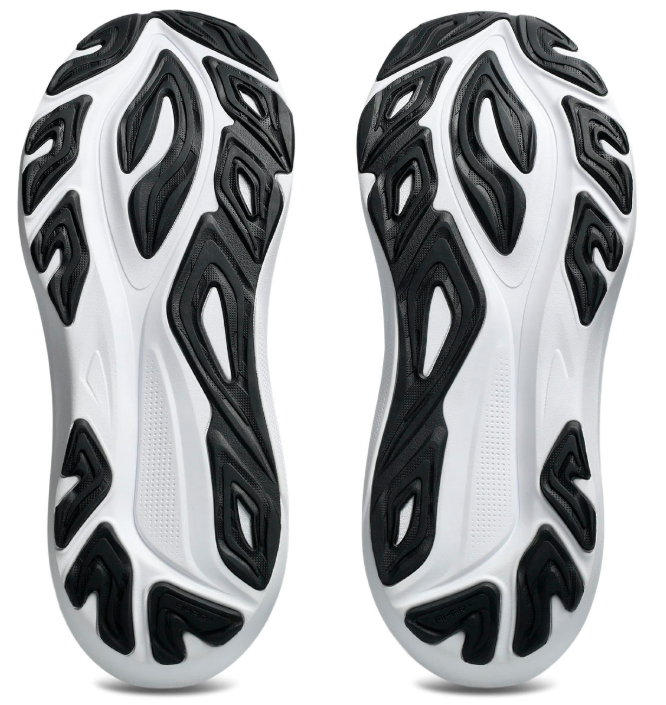
Durability has always been a strong point of the GT 2000 line, and version 14 continues that tradition. The outsole features thick rubber pods arranged in segmented patterns, giving it excellent resistance to wear. Even after extended mileage, abrasion remains minimal.
Traction is reliable across surfaces, from wet pavement to light dirt paths. The design may not include ASICS’s most advanced grip compounds, but it performs admirably for a daily trainer. The generous outsole thickness also contributes to its long lifespan, though it could arguably be slimmed down to save a few grams.
Flexibility and Stability Balance
Flexibility lands in the middle ground—not too stiff, not overly bendy. This helps the shoe remain versatile, accommodating both steady long runs and slower recovery jogs. The outsole design contributes to a more natural flex, a welcome shift from the overly rigid build of its predecessor.
Stability remains the shoe’s core identity. The 3D Guidance System continues to provide structured support without relying on intrusive medial posts. Wide midsole bases, sidewalls, and a firm heel counter all come together to control pronation effectively. Importantly, this stability feels integrated rather than forced, creating a natural ride for runners who need guidance.
Durability Across Components
The GT 2000 14 scores high marks in durability. The outsole, as mentioned, withstands heavy mileage with ease. Heel padding is also reinforced, resisting breakdown from repeated wear.
However, the toebox durability is weaker than expected, surprising given the density of the upper. While not a critical flaw, it means runners who frequently drag their toes might notice wear earlier than desired.
Cold-Weather Performance
Like many foams, FF Blast Max hardens in lower temperatures. Tests show a noticeable firmness increase in cold conditions, which slightly dulls the ride. This isn’t unusual, but runners training in consistently cold climates should be aware that the shoe may feel stiffer than advertised.
Small Details: Tongue, Lacing, and Insole
The tongue strikes a smart balance with moderate padding that avoids unnecessary weight. Its semi-gusseted design keeps it from sliding around, contributing to a secure midfoot lockdown.
The lacing system is simple but reinforced with overlays for durability. The insole, at nearly 5 mm thick, offers extra cushioning and is fully removable for those who prefer custom orthotics.
Design Choices and Missing Features
A few design decisions stand out. The shoe no longer includes the heel tab from earlier versions, which some runners may miss when pulling the shoe on quickly. Reflective elements are also absent, reducing visibility in low-light conditions. Both omissions are minor but noticeable when compared to competitors.
Price, however, remains consistent with the previous edition, a refreshing decision in today’s market where upgrades often mean higher costs.
Who Should Consider the GT 2000 14
This shoe is an excellent match for runners who:
- Have narrow or medium feet and want a secure fit.
- Need a dependable daily trainer that emphasizes stability and durability.
- Appreciate a supportive ride without excessive bulk or cost.
It works well for beginners, casual runners, and those seeking an everyday shoe that doubles for walking or long days on their feet.
Who Might Look Elsewhere
Heavier runners or forefoot strikers who crave maximal cushioning may find the GT 2000 14 underwhelming. Its midsole is protective, but not plush enough to compete with shoes like the ASICS Gel Kayano or newer maximalist models.
Additionally, anyone requiring significant toebox space may prefer brands like Altra or Adidas, which offer wider and more open designs.
Final Verdict
The ASICS GT 2000 14 is not a shoe that dazzles with cutting-edge innovation, but it doesn’t need to. Its strength lies in being a steady, reliable companion for runners who value stability, durability, and comfort in a balanced package.
With improved cushioning, long-lasting outsole construction, and a secure fit, it continues to serve its purpose exceptionally well. Limitations in breathability and a narrow toebox mean it won’t fit everyone perfectly, but for the right runner, it remains one of the most trustworthy stability trainers on the market.
ASICS GT 2000 14 – Commonly Asked Questions
What makes the GT 2000 14 different from earlier versions?
The switch to FF Blast Max foam gives smoother cushioning and a touch more bounce than the previous flat-feeling versions.
Is the cushioning suitable for long runs?
Yes, the heel and forefoot provide enough comfort and protection for distance training, especially for heel strikers.
Does the shoe feel responsive?
It’s moderately responsive—enough to avoid feeling dull, but not designed for speed or performance racing.
How is the fit of the shoe?
The fit is slightly narrow, particularly in the toebox, making it better for runners with slim or medium-width feet.
How breathable is the upper?
Breathability is limited due to the dense mesh, which keeps the shoe stable but traps heat during hot-weather runs.
How does the weight compare to similar stability shoes?
At around 269 grams (9.5 oz), it sits right in the expected range, feeling balanced rather than heavy.
Is the outsole durable?
Yes, the outsole is one of the strongest features, with thick rubber and excellent abrasion resistance for long-term use.
Does it offer reliable stability?
Absolutely—the 3D Guidance System and wide base control pronation without feeling intrusive or overly stiff.
Who is the shoe best suited for?
It’s ideal for everyday runners who need mild stability, prefer a secure fit, and value durability in a trainer.
Who might want to avoid it?
Runners with wide feet, those who prefer highly cushioned shoes, or athletes training in hot climates may find it limiting.


