New Balance Fresh Foam X 1080 v14: A Deep Dive Review
The New Balance Fresh Foam X 1080 v14 has arrived with some bold updates, positioning itself as a plush daily trainer with an emphasis on comfort and durability. While it builds on the reputation of the 1080 series as a go-to option for neutral runners seeking a soft ride, this version introduces both improvements and trade-offs. After thorough testing and comparisons, the 1080 v14 reveals itself as a shoe that is dependable but not without quirks that runners should consider before lacing it up.
First Impressions and Step-In Feel
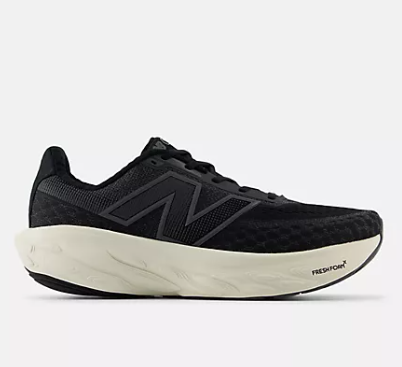
Slipping into the Fresh Foam X 1080 v14 immediately confirms its premium pedigree. The interior is heavily padded, and the tongue cushioning stands out, giving the shoe a luxurious, sock-like feel. The jacquard mesh upper hugs the foot without creating hotspots, and the stretch in the material provides comfort across various foot shapes. However, the toebox narrows toward the big toe, which can feel restrictive for runners who prefer more splay or who have broader forefeet.
This plush introduction sets the tone: comfort is prioritized above speed. It feels more like a recovery-day companion than a shoe designed to push the pace.
Cushioning and Shock Absorption
The defining feature of the 1080 series has always been its cushioning, and version 14 doubles down on that reputation. The Fresh Foam X midsole provides a pillow-like sensation underfoot, offering one of the softest rides available in a daily trainer. Heel strikers benefit from a stack height that has climbed to 37 mm, while forefoot cushioning measures nearly 33 mm, creating a balanced platform for long runs.
Shock absorption is exceptional. Long miles on asphalt or concrete feel significantly less taxing, and the shoe excels at reducing impact during recovery runs. The trade-off is responsiveness. The midsole remains EVA-based, and though durable, it lacks the rebound of more modern foams used by competing brands. Runners looking for bounce and propulsion may find the ride a bit flat.
Energy Return: A Limiting Factor
One of the biggest critiques of the Fresh Foam X 1080 v14 is its muted energy return. While the cushioning is deeply protective, it doesn’t translate that softness into spring. For runners who thrive on a snappy push-off or who regularly incorporate uptempo runs into their training, the shoe may feel sluggish.
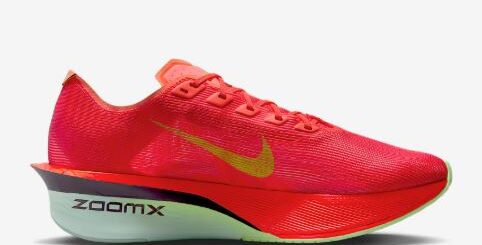
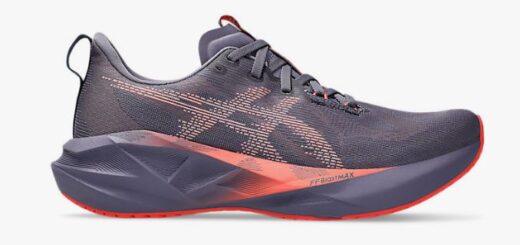
That said, this limitation may not matter to the target audience. The 1080 v14 is built for steady, easy-paced efforts. Marathoners could easily use it for recovery days, while newer runners will appreciate its forgiving ride. Still, runners seeking speed should consider alternatives like the ASICS Novablast 5 or Adidas Adizero EVO SL.
Stability and Ride
Stability has been a sore spot for past iterations of the 1080. With v14, New Balance addressed this issue by stiffening the midsole slightly and adding raised sidewalls. The shoe remains neutral, but there is noticeably more structure when cornering or landing unevenly. Torsional rigidity has improved, giving the shoe a sense of support that v13 lacked.
That said, the softness of the foam still allows some wobble, especially for those with mild pronation. For runners needing more structured support, the Fresh Foam 860 v14 or Brooks Glycerin GTS would be better options.
The rocker design is pronounced, helping roll the foot forward with less effort. This design feature compensates for the high stack height and adds efficiency to transitions, which is a welcome addition on long-distance efforts.
Weight and Build
One of the most noticeable changes is the added weight. The men’s version now tips the scales at just over 10 ounces, which is heavier than many competitors in the premium daily trainer category. The extra weight comes from increased stack height and thicker outsole coverage.
While some runners won’t notice during easy runs, the heft becomes apparent when picking up the pace or during longer efforts where fatigue sets in. In a market increasingly favoring lightweight maximalist shoes, this is one area where New Balance lags behind.
Upper and Breathability
The triple-layer jacquard mesh upper is both a strength and a weakness. On the one hand, it looks and feels premium, offering durability and a secure fit. Ventilation holes strategically placed in the forefoot provide surprising breathability despite the material’s thickness. In warm-weather runs, airflow proved more than adequate, keeping feet cooler than expected.
On the other hand, the thick construction contributes to the shoe’s added weight. While not stifling, runners in very hot climates may prefer shoes with thinner, lighter uppers. Durability, however, is excellent—the upper resisted wear even after extended use.
Fit and Toebox Design
Sizing runs true, which is consistent with most New Balance offerings. Width options, including narrow, standard, wide, and extra wide, make it accessible for a wide range of foot types.
The toebox design sparks more debate. Measurements suggest an average width, but in practice, the taper around the big toe reduces space, leading to a snug feel. Runners who enjoy natural toe splay may feel constrained. Fortunately, New Balance offers wide-fit versions, but those unavailable in certain regions may leave some runners seeking alternatives.
Outsole and Traction
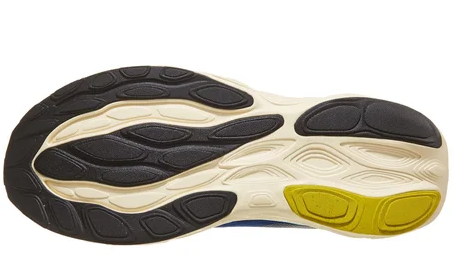
The outsole design has been tweaked to provide more rubber coverage than its predecessor, increasing durability. Grip is reliable, even on wet pavement, thanks to well-placed traction patterns that avoid the slippage common in shoes with large foam exposure.
Durability testing confirmed minimal wear after heavy use, an impressive feat considering how soft and flexible the rubber feels. With a thicker outsole than v13, this model should easily handle 500 miles of training, if not more.
The downside, once again, is weight. The thicker rubber contributes to the shoe’s heavier build, which could have been avoided without compromising performance.
Flexibility and Responsiveness
In terms of flexibility, the Fresh Foam X 1080 v14 leans toward stiffness compared to its predecessor. This is a byproduct of both the thicker midsole and the added outsole rubber. While the rocker design smooths out transitions, the shoe doesn’t bend easily with the foot, which further diminishes its sense of responsiveness.
For many runners, especially those prioritizing comfort, this won’t matter. But for those used to lighter, more pliable trainers, the stiffness may feel unnatural.
Durability Across Key Areas
Durability is arguably the biggest win for the 1080 v14. The toebox material, despite its breathable construction, withstood abrasion tests impressively. Heel padding, often a weak spot in plush trainers, showed only moderate signs of wear after testing. The outsole, as mentioned earlier, excelled in durability, holding up far better than the average daily trainer.
These results make the shoe a strong option for runners who want a long-lasting trainer. The investment in a premium daily shoe feels more justified knowing it won’t break down prematurely.
Comfort for Long Runs and Recovery
Where the Fresh Foam X 1080 v14 shines most is during slow, steady efforts. It’s the type of shoe you reach for when your legs are sore from intervals or a long run and you want something forgiving to carry you through recovery miles. The midsole softness and overall padding make it easy to spend hours in the shoe without discomfort.
It also doubles well as a walking shoe or all-day wear option. The plush interior and breathable upper make it just as suitable for casual use as for running, an appealing factor for those who want a versatile shoe.
Value and Pricing
At $165, the Fresh Foam X 1080 v14 sits squarely in the premium range. While not inexpensive, it offers durability that helps justify the cost. Competing shoes at similar or higher prices often break down sooner or lack the plush comfort this shoe provides.
For runners seeking high performance and energy return, the value proposition may seem weaker. But for those who want a reliable, durable, and luxuriously cushioned daily trainer, the price is fair.
Who Should Consider the 1080 v14?
This shoe is a great match for:
- Runners who prioritize plush comfort above speed.
- Those logging high weekly mileage who want a dependable daily trainer.
- Marathoners and half marathoners looking for a recovery-day option.
- Walkers and casual users who value all-day comfort.
Who Should Look Elsewhere?
The Fresh Foam X 1080 v14 may not suit:
- Runners who dislike heavier trainers.
- Athletes seeking a responsive shoe for tempo runs or races.
- Those with wider feet who cannot access wide-fit versions in their market.
Alternatives worth considering include the Saucony Triumph 22 for balanced cushioning and responsiveness, or the ASICS Novablast 5 for a lighter, bouncier ride.
Conclusive Verdict
The New Balance Fresh Foam X 1080 v14 is a shoe that embraces its identity as a comfort-first daily trainer. It delivers outstanding shock absorption, premium step-in feel, and impressive durability. However, these strengths come with compromises: increased weight, a tapered toebox, and a lack of energy return that make it less versatile for faster sessions.
For runners who prioritize a soft, cushioned ride for easy miles, it’s one of the best options available today. But those seeking a dynamic, lightweight trainer should look to other models.
In short, the Fresh Foam X 1080 v14 is like an SUV for your feet—built for comfort, durability, and stability, but not designed to race.
FAQs about the Fresh Foam X 1080 v14
What makes the Fresh Foam X 1080 v14 stand out?
The shoe’s defining feature is its plush cushioning. With a thick Fresh Foam X midsole, it provides one of the softest rides among daily trainers, making it perfect for recovery runs and easy-paced miles.
Is the 1080 v14 good for fast runs?
Not really. While it’s comfortable and protective, the midsole doesn’t offer much bounce or responsiveness. Runners aiming for speedwork or tempo sessions will likely find it too heavy and soft.
How does the weight compare to the previous version?
The v14 gained weight compared to the v13, now weighing a little over 10 ounces. The extra cushioning and outsole coverage add durability but make the shoe feel bulkier than before.
Does it fit true to size?
Yes, it fits true to size overall. However, the toebox narrows toward the big toe, which may feel tight for runners with wider feet. Luckily, New Balance offers wide-fit options in some regions.
How durable is the 1080 v14?
Durability is one of its strongest qualities. The upper resists wear, the outsole rubber shows minimal damage after testing, and the overall build easily withstands hundreds of miles.
Is the shoe breathable despite its thick upper?
Surprisingly, yes. The jacquard mesh looks dense but includes ventilation holes in the forefoot. Airflow is solid, and most runners won’t overheat even during long runs in warmer conditions.
Who is the 1080 v14 best suited for?
It’s ideal for runners who value comfort over performance—those logging long, easy miles or looking for a reliable recovery shoe. It also works well as an all-day walking option.