Nike Vomero 18 Review: Max Cushion Comfort at a Surprising New Price
The Nike Vomero 18 arrives as a bold update to a long-running series that was once known for being a dependable, mid-stack daily trainer. This version moves decisively into maximalist territory, offering more cushioning underfoot than any previous Vomero. Nike has even lowered the price compared to the Vomero 17—something runners rarely see from big brands. The trade-off? The shoe is heavier, a bit less flexible, and still lags behind some rivals in traction.
From the first step-in, it’s clear that comfort was a top priority. The plush interior, thick padding, and deep midsole create a pillowy feel, making it an inviting option for recovery runs, long distances, and slow-paced days. Heel strikers in particular will feel right at home, but performance-oriented runners may wish for something lighter and more responsive.
Design and Build Quality
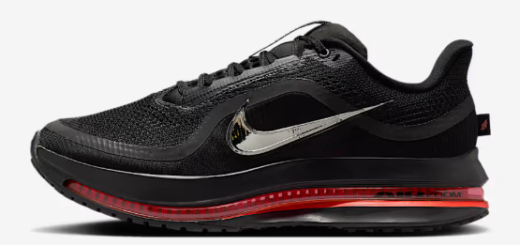
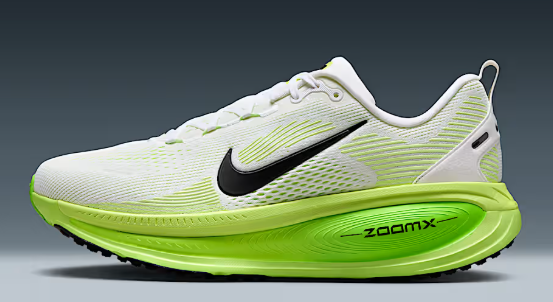
Visually, the Vomero 18 looks substantial—tall stacks of foam, a wide heel, and a generously cushioned upper dominate its silhouette. Nike has opted for a dual-foam construction, combining a modified ZoomX layer with ReactX beneath it. This pairing aims to provide a balance of softness, stability, and durability.
The engineered mesh upper is dense and soft to the touch, with thick yarns and double-layer construction that favor comfort over breathability. The build quality feels premium, with neatly finished seams and strategically reinforced high-wear areas on the outsole.
Cushioning and Underfoot Feel
This iteration represents the most dramatic cushioning upgrade in Vomero history. In lab testing, the heel reached a shock absorption score of 147 SA, while the forefoot measured 116 SA. The heel stack height of 42.5 mm places it firmly in the max-cushion category, making it ideal for runners who want maximum impact protection.
The forefoot, at 28.6 mm, is still above average but less extreme, giving the shoe a noticeable heel-to-toe drop. This setup caters to runners who land on their heels and want that extra foam buffer for long, easy sessions. The sensation underfoot is plush and forgiving, particularly on paved surfaces.
Foam Composition and Performance
Nike’s ZoomX has developed a reputation for lightness and bounce in its racing shoes, but the Vomero 18 uses a denser, more durable version of the foam. It measures 15.0 HA in softness, which is on the cushy side for a trainer. While it excels in comfort, it doesn’t match the explosive rebound of the racing-grade ZoomX found in models like the Vaporfly.
Beneath the ZoomX sits a ReactX layer, tested at 21.5 HA. This firmer base improves stability and durability, replacing the Cushlon foam used in earlier Vomeros. It also adds a touch of responsiveness, though the overall ride still leans toward a relaxed, comfort-oriented feel rather than a lively one.
Ride and Rocker Geometry
Despite its towering stack, the Vomero 18 doesn’t embrace an aggressive rocker shape. Instead, it maintains a moderate, subtle forefoot rocker with a beveled heel to help heel strikers roll forward more smoothly. This keeps the ride feeling traditional and controlled, which will appeal to runners who dislike the exaggerated forward-tipping sensation of more aggressive rockered shoes.
Fit and Sizing
The Vomero 18 fits true to size for most runners, but its shape leans toward the narrow side in the toebox. Midfoot width is average at 95.6 mm, but the toebox measures just 69.6 mm—noticeably tapered. The toebox height, at 26.2 mm, is slightly below average, though the soft upper prevents it from feeling restrictive over the top of the foot.
This snug front section will suit narrow-footed runners well, but those with wider feet may prefer alternatives with more splay room, such as the Topo Atmos or Mizuno Wave Sky 8.
Stability Features
Although classified as a neutral shoe, the Vomero 18 incorporates several features that enhance stability. The firm ReactX base, slightly flared heel, and subtle sidewalls all work together to guide the foot without intrusive support structures. The torsional rigidity score of 4/5 means it resists twisting, contributing to a steady feel even at its high stack height.
The heel counter earns a balanced 3/5 stiffness rating, pairing firm structure with abundant padding for comfort. This makes it secure for most neutral runners and forgiving enough for those with mild stability needs.
Traction and Outsole Performance
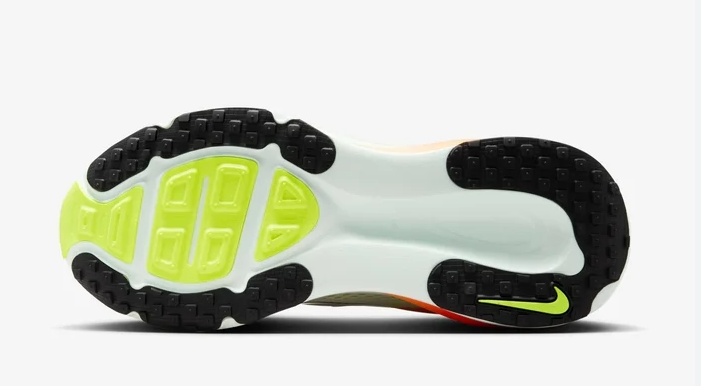
Nike has redesigned the outsole, moving away from the full-length waffle pattern of previous versions. Rubber is concentrated in high-impact zones at the heel and forefoot, with exposed foam in the midfoot to save weight.
Grip testing revealed a score of 0.38—adequate for dry conditions but not particularly confidence-inspiring on wet roads. The firmness of the rubber and smoother central groove contribute to this middling wet-weather performance. Runners in rainy climates may want to explore shoes with grippier compounds, such as Puma’s Nitro line.
Flexibility
With a 16.0N score in the flex test, the Vomero 18 is stiffer than the model it replaces. The added foam and increased stack height naturally reduce flexibility, resulting in a more guided, uniform foot motion. This works well for stability and comfort over long runs but limits agility for quick pace changes or short intervals.
Weight Considerations
At 10.45 oz (297 g) for a men’s US 9, the Vomero 18 is heavier than many daily trainers. The combination of a thick midsole, generous padding, and durable outsole rubber contributes to the weight. While it’s not overly burdensome for easy runs, it’s noticeable if you attempt faster paces or long uphill efforts.
Breathability
The double-layer engineered mesh upper prioritizes plushness over ventilation. In lab tests, it scored 3/5 for airflow. This level is fine for year-round use in moderate climates but may feel warm during peak summer runs. The thickness of the yarns and absence of large ventilation zones limit air movement through the shoe.
Durability
Durability is a mixed bag. The toebox mesh scored a respectable 3/5 in abrasion testing—good for a comfort-oriented upper. The heel padding, heavily cushioned and inviting, proved remarkably tough with a 5/5 durability score, resisting wear despite its softness.
The outsole rubber is thicker than average at 3.8 mm, which should prolong lifespan, though abrasion testing revealed 1.1 mm of wear—slightly more than ideal for a high-mileage trainer. Still, most runners can expect this shoe to last a solid training cycle or more with proper rotation.
Insole and Interior Comfort
Inside, the removable insole measures 4.6 mm thick—typical for a Nike trainer. The standout interior feature is the tongue padding: at 13.4 mm, it’s luxuriously cushioned, offering exceptional top-of-foot comfort. The semi-gusseted design helps keep it in place, improving lockdown and preventing tongue slide during runs.
While this tongue contributes to the plush step-in feel, it adds weight. Runners prioritizing a lighter shoe might wish for a slimmer tongue design to balance comfort with efficiency.
Cold-Weather Performance
Thanks to the Pebax-based ZoomX, the Vomero 18 handles cold conditions well. Foam firmness increased by only 13% after cold exposure—well below the industry average—ensuring it retains most of its softness in winter weather.
Reflective Elements and Heel Design
The shoe includes three reflective straps on the heel, improving visibility for low-light running. The heel tab is neatly integrated into the heel counter rather than being an afterthought, functioning as both a practical pull loop and a design element.
Price and Market Position
Perhaps the most surprising change is the lower price tag. At ¢1850 (around $150), the Vomero 18 undercuts many premium daily trainers. Nike’s decision is strategic: it has repositioned the Vomero within its lineup to sit below the Pegasus Premium and Pegasus Plus, creating a clearer tiered structure. While the price drop isn’t purely altruistic, it’s still a welcome shift for runners who want max-cushion comfort without a luxury-level cost.
Who Will Enjoy the Vomero 18
This shoe is best suited to runners who:
- Want maximum cushioning for long, slow runs or recovery days.
- Are heel strikers seeking plush landings.
- Prefer a traditional feel with moderate rocker rather than an aggressive forward roll.
- Appreciate a snug fit and premium-level interior comfort.
Who Might Skip It
It may not be ideal for those who:
- Need a lightweight shoe for tempo runs or races.
- Have wide feet or prefer generous toebox space.
- Prioritize strong grip on wet surfaces.
For these runners, alternatives like the ASICS Novablast 5, Adidas Adizero EVO SL, or Puma MagMax Nitro may be more satisfying.
Strengths
- Ultra-plush step-in comfort
- Max-stack cushioning with a focus on heel protection
- Price reduction compared to previous version
- Excellent heel padding durability
- Stable feel for a neutral shoe
Limitations
- Noticeable weight increase
- Narrow, tapered toebox
- Mediocre wet-surface traction
- Less flexible than earlier Vomeros
Conclusion
The Nike Vomero 18 transforms a trusted daily trainer into a full-blown max-cushion option. It delivers on comfort, protection, and stability while offering better value than many shoes in its category. However, its heavier build, narrow front, and average grip keep it from being an all-around performer. For runners seeking a plush, steady, and highly cushioned ride for easy days—and who don’t mind the extra grams—the Vomero 18 could become a reliable go-to.