Why the New Balance Minimus Trail Is the Perfect Middle Ground for Trail Runners
The New Balance Minimus Trail is not your typical trail running shoe. Instead of trying to compete with max-cushion monsters or fully barefoot-style options, it sits somewhere in between—offering the lightweight and flexible feel of a minimalist design but adding just enough modern cushioning to keep it approachable. This hybrid identity makes it appealing to a specific group of runners and hikers, particularly those curious about minimalist running but hesitant to take the full plunge into zero-drop footwear.
In this review, I’ll take you through every detail of the Minimus Trail, from its fit and cushioning to durability and traction, to help you decide if it belongs on your next run or hike.
First Impressions
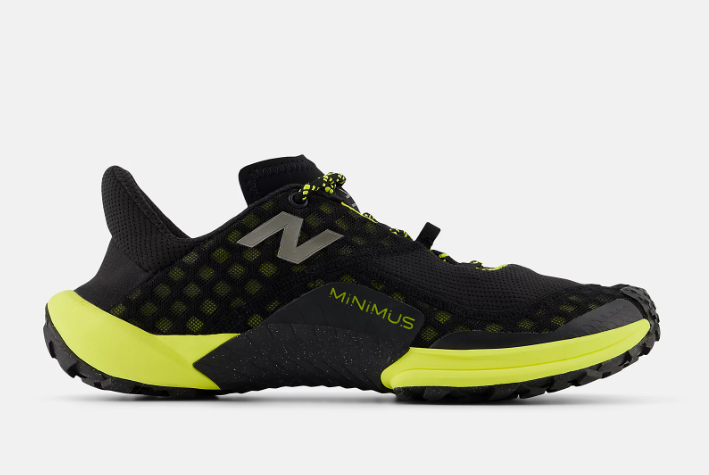
The Minimus Trail stands out the moment you pick it up. It feels light, bendable, and compact, giving the impression of a shoe that wants to disappear on your foot. The design combines rugged materials with bold stitching and unusual details, making it visually different from other trail shoes. It doesn’t scream “barefoot,” but it doesn’t resemble traditional trail shoes either. That middle-ground identity becomes even clearer once you slip them on.
Fit and Sizing
One of the most noticeable features of the Minimus Trail is its narrow construction. Unlike many minimalist shoes that use a wide, foot-shaped toebox to let toes spread naturally, the Minimus leans toward a snug, glove-like fit. The toebox width is tapered, limiting toe splay, though the height above the toes is generous enough to avoid pressure from above.
This shoe runs slightly small, and many users will find themselves more comfortable sizing up by half a size. For those with naturally narrow feet, the fit feels secure and precise. For wider-footed runners, however, the cramped forefoot may quickly become a dealbreaker.
Cushioning and Ground Feel
Minimalist shoes are meant to keep you close to the ground, and the Minimus Trail delivers on that expectation. The heel stack height sits just under 20 mm, with the forefoot even lower at about 14 mm. Compared to the average trail shoe, this feels much thinner, allowing for an intimate connection with the terrain beneath your feet.
The midsole uses New Balance’s FuelCell foam, a material known for being softer and more responsive than what you typically find in minimalist shoes. This cushioning creates a delicate balance: it still lets you feel rocks, roots, and dirt paths, but it smooths the harshest edges so the experience isn’t punishing. Heel strikers in particular will appreciate this added softness, as it takes away some of the sting from direct impact.
Drop and Ride
The Minimus Trail comes with a 5 mm heel-to-toe drop. This puts it in a curious spot. Traditional minimalists are either flat or near-flat, but here, the slight offset supports those who aren’t ready for a zero-drop experience. The geometry is aided by a subtle rocker in both the heel and forefoot, guiding the stride into smoother transitions.
This rocker is unusual for a shoe in the minimalist category. For heel strikers, it works wonders by easing impact and helping with forward motion. For purists who want an absolutely flat and natural feel, however, it may feel like an unwanted intervention.
Flexibility
If there’s one area where the Minimus Trail shines, it’s flexibility. The shoe bends and twists with ease, almost folding in half without resistance. This pliability lets your feet move naturally, strengthening small muscles and promoting balance. For anyone practicing forefoot running or looking to gradually build foot strength, the flexibility of this shoe is an asset.
In cold conditions, the midsole firms up significantly—nearly twice as much as average trail foams—but even then, the shoe retains its bendable nature. This makes it dependable for year-round training.
Weight
Weighing around 7.5 ounces (213 grams), the Minimus Trail is feather-light by trail shoe standards. The lack of bulky midsoles or support structures plays a big role in this. On foot, the shoe feels almost invisible, letting you focus more on the run itself. For long-distance trail runners or hikers who prefer less weight dragging them down, this is a key advantage.
Traction and Outsole
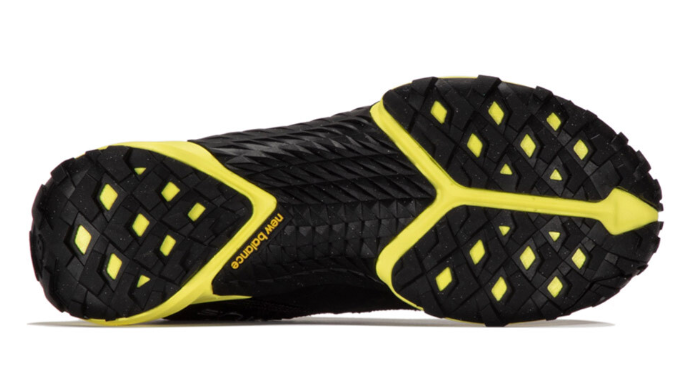
The outsole of the Minimus Trail is built with New Balance’s AT Tread rubber. The lug depth measures just over 3 mm, enough for light trails, gravel paths, and dirt tracks. The arrow-shaped lugs are positioned to offer directional grip without overcomplicating the design.
While it performs well on dry, moderate terrain, it’s not made for technical mountains or muddy trails. Without deep lugs or a rock plate, sharp stones and slick mud expose the shoe’s limitations. Think of it as best for coastal trails, forest paths, or everyday dirt tracks rather than alpine adventures.
Durability
Despite its minimalist construction, durability is one of the strongest qualities of the Minimus Trail. The toebox material resists tearing impressively, the heel padding holds up against friction, and the outsole shows very little early wear. With nearly 3 mm of outsole thickness, it has more than enough rubber to handle hundreds of miles without breaking down quickly.
This ruggedness makes it appealing for hikers who want a lightweight shoe that won’t fall apart after a few trips. Minimalist shoes sometimes trade durability for flexibility, but New Balance found a balance here.
Upper and Breathability
The upper combines different fabrics stitched together in bold patterns. While it looks adventurous, it’s also practical. The material is dense and built to handle abrasion from rocks and roots. However, this sturdiness comes at a cost—ventilation is only moderate.
Lab tests confirmed that air circulation is restricted, meaning your feet may run warm in hot conditions. For cooler climates or evening hikes, this is less of a concern, but summer runners may wish for more airflow. On the plus side, the inside lining prevents the stitching from irritating the foot, allowing comfortable sockless wear if desired.
Stability
Stability in the Minimus Trail depends heavily on the runner. Because the platform is narrow and the heel base is slim, the shoe doesn’t provide artificial stability like structured trail shoes. Instead, it encourages the runner’s own foot and ankle to do the work.
For experienced runners with strong lower legs, this natural approach feels liberating. But for beginners or those prone to rolling ankles, the narrow heel could increase instability on uneven terrain.
Comfort Details
The tongue of the Minimus Trail is lightly padded, measuring only 2 mm thick, with laces passing directly through a tongue loop. While the system secures the foot, some runners may find the rounded laces dig into the instep if tied too tightly.
The heel collar is soft and stretchy, allowing for easy on-and-off while still hugging the foot. There’s no rigid heel counter, which keeps the shoe flexible but might feel unusual for those used to stiffer support.
Who Will Love This Shoe
The Minimus Trail is best suited for:
- Narrow-footed runners who find barefoot-style shoes too roomy.
- Heel strikers who want a touch of cushioning without going full max-cushion.
- Runners transitioning toward minimalist shoes who want an intermediate option.
- Hikers who appreciate lightweight footwear that still lasts.
It’s also a good choice for those who enjoy strengthening their feet and experimenting with natural running styles, but who aren’t ready to commit to ultra-minimalist brands.
Who Should Avoid It
This shoe isn’t for everyone. Wide-footed runners will likely find the toebox too cramped. Minimalist purists who want zero-drop shoes with completely flat rides will also be disappointed by the 5 mm offset and rockered geometry. For them, options like the Merrell Trail Glove 7 or Xero Scrambler Low would be better alternatives.
Additionally, those who regularly run in mud or sharp rocky terrain may need deeper lugs and a rock plate, neither of which the Minimus provides.
Price and Value
At around $120, the Minimus Trail is priced fairly for its category. Minimalist shoes are sometimes assumed to be cheaper because of their thin midsoles, but the durable construction and use of premium FuelCell foam justify the cost. Considering its lifespan and versatility for both running and hiking, the shoe delivers solid value.
Conclusion
The New Balance Minimus Trail is a fascinating mix of ideas. It offers minimalist principles—low stack, lightweight build, high flexibility—yet it softens the experience with responsive cushioning and a rocker design. That makes it unique in a crowded market, and while it won’t satisfy everyone, it hits the sweet spot for a particular audience.
If you have narrow feet, enjoy the feel of being close to the ground, and want a durable shoe that bridges the gap between traditional trainers and barefoot options, the Minimus Trail deserves your attention. It’s not the purest minimalist shoe, but that’s exactly what makes it so useful for many runners and hikers who want a middle path.
FAQs about the New Balance Minimus Trail
What makes the New Balance Minimus Trail different from other trail shoes?
It blends minimalist design with modern cushioning, offering a middle ground between barefoot shoes and traditional trail runners.
Is the Minimus Trail good for narrow feet?
Yes, the narrow toebox and snug fit make it ideal for runners with slim feet.
Does it provide much cushioning?
Not much—stack heights are low, but the FuelCell foam adds a touch of softness and bounce.
How flexible is this shoe?
Extremely flexible. It bends easily in all directions, encouraging natural foot movement.
What kind of terrain does it handle best?
It’s best suited for light trails, dirt paths, and groomed surfaces—not heavy mud or sharp rocky terrain.
How heavy is the Minimus Trail?
It weighs just 7.5 ounces (213 grams), making it one of the lightest trail shoes around.
Is the shoe breathable?
Breathability is moderate. The durable upper limits airflow but protects well against abrasion.
Does the shoe have a rock plate?
No, it skips a rock plate to maximize flexibility, which means you’ll feel more of the ground.
How durable is the Minimus Trail?
Very durable. Both the upper and outsole show strong resistance to wear, lasting longer than many competitors.
What type of runners will enjoy this shoe most?
Runners transitioning toward barefoot shoes, heel strikers wanting light cushioning, and hikers who need a tough yet light option.
Who should avoid this shoe?
Wide-footed runners or minimalist purists who need a roomy toebox and zero-drop design will likely be disappointed.